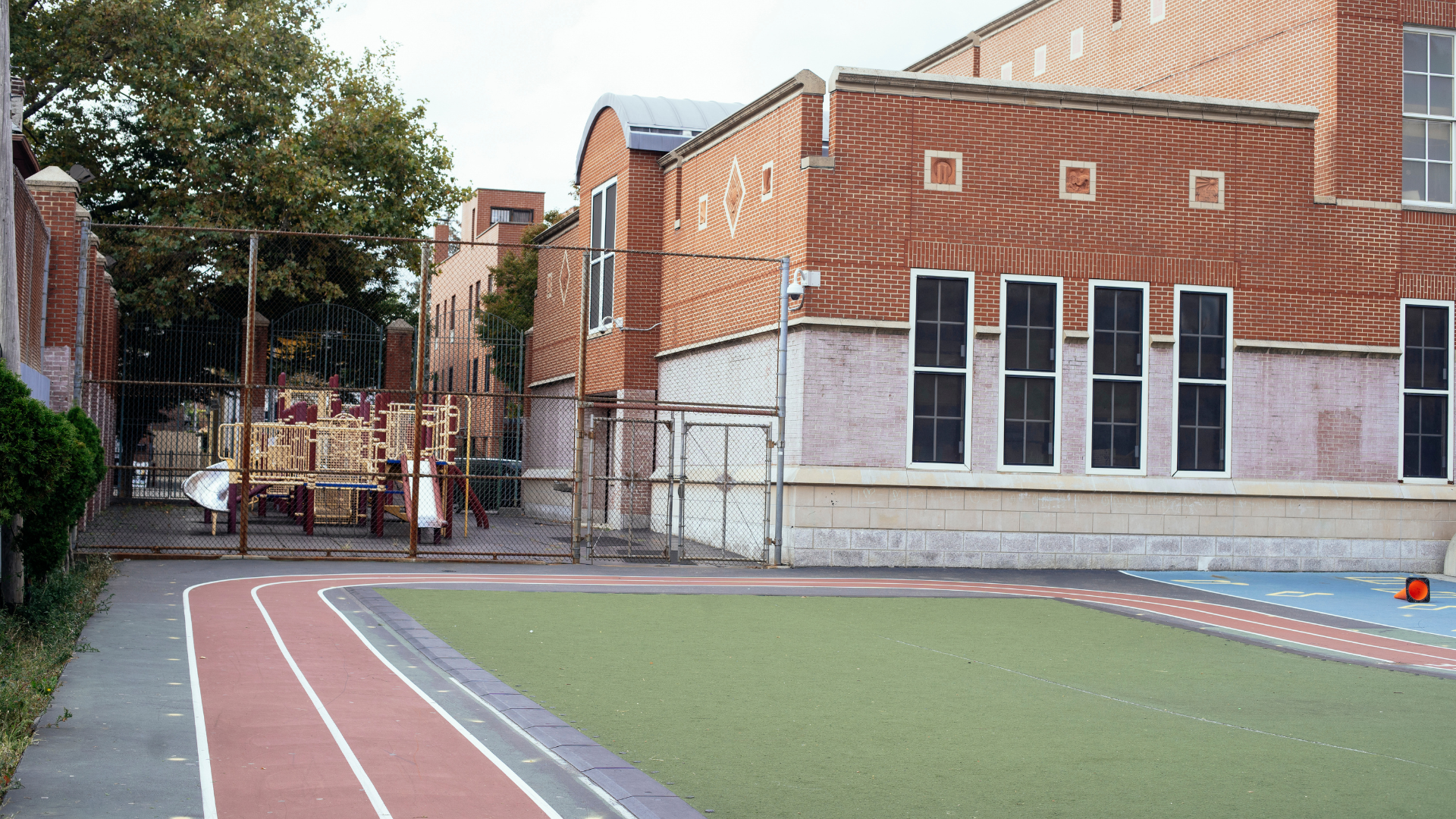
Capital Works, a new report published by the Centre for Future Work, finds that increasing capital investment in public schools can pay for itself, create jobs and boost educational outcomes.
The report modelled the impacts of a $1 billion permanent increase in annual public school capital funding. Drawing on the latest international evidence, it finds that spending $1 billion on school infrastructure supports over 2500 new jobs, generates $1.1 billion in new GDP, and $277 million per year in additional labour income.
A sustained $1 billion increase in public school capital funding would ultimately generate between $3.5 billion and $7.3 billion per year in GDP benefits, experienced across all stakeholders: including the construction industry and its supply chain, downstream consumer industries, improved labour market performance, and fiscal benefits for government.
Benefits from this investment include observable increases in student performance and student school completion rates resulting in higher productivity of workers who have completed high school education.
Centre for Future Work senior researcher and report co-author Dr Lisa Heap said:
‘We often hear a lot about the benefits of increases to recurrent spending on education. This report rounds out the picture by demonstrating the positive benefits of increasing investment in capital infrastructure for schools.
‘Investing in higher quality school buildings and facilities is vital in affirming the lifelong potential of public school students. It helps to address inequality, and it produces a stronger economy and society.
‘The modelling in this research extends the picture of the substantial benefits of investment in public school infrastructure, showing that increased funding to provide better public school infrastructure pays off in improved student achievement, a stronger economy, and better budgetary outcomes.
‘We have quantified the benefits of this investment. A $1 billion annual increase in public school capital funding would generate between $3.5 billion and $7.3 billion in GDP benefits.
‘Spending on public schools’ infrastructure is very much an investment for government, not a cost. Australia can afford this investment. It will pay off in economic and fiscal terms, as well as human and social terms.’
Read more
Research page: Capital Works: the economic and fiscal benefits of investment in public school infrastructure